RECENT MEDIA
Keen on America
Marginalia Podcast

Jonathan Earle joins Beth Golay is KMUW's Director of Marketing and Digital Content. She is the host of the KMUW podcast Marginalia, co-host with Suzanne Perez to discuss his newest book, He Has The People: Abraham Lincoln and the Election of 1860, which looks at Lincoln in the four years leading up to his unlikely nomination and election. Here’s their conversation.
Louisiana Considered Podcast

Jonathan Earle joins Louisiana Considered to discuss He Has the People, his new retelling of the 1860 election and how Abraham Lincoln outmaneuvered his rivals during one of the most turbulent moments in American politics. In the interview, Earle highlights the drama of the race, the fractured parties, and the strategic moves that helped Lincoln rise from relative obscurity to the presidency—showing how he built support not through elite backing, but by connecting with ordinary voters.
Talk Louisiana Podcast

Jonathan joined WRKF’s Talk Louisiana with Jim Engster to discuss He Has the People on publication day, offering insight into Abraham Lincoln’s 1860 campaign and the political divisions that shaped the nation. In this interview, he explains how Lincoln built public support during a turbulent era and why the themes of that election still resonate today.
Historically Thinking podcast

Jonathan was featured on the Historically Thinking podcast with Al Zambone for a deep dive on the surprising twists and turns of the 1860 election, showing how Lincoln’s path to the presidency was far less straightforward than most remember.
LSU Dean of Honors College examines Abraham Lincoln's 1860 run for president in new book

A quick, engaging look at Jonathan Earle’s new book He Has the People, exploring how Abraham Lincoln—far from the marble monument version we know—maneuvered his way through the chaotic 1860 election with sharp political instincts and the help of vivid, real‑time reporting from journalist Murat Halstead.
The Washington Post: Democracy Dies in Darkness

"Lincoln wasn’t seen as president material. Then Harpers Ferry happened." A brief look into John Brown’s failed raid and the political shockwaves that followed, revealing how the crisis reshaped public opinion and set the stage for Lincoln’s rise and how it completely changed the course of the 1860 election.
The Dallas Morning News: Dallas GOP’s first midterm convention is a far cry from 1860

In this Article Jonathan Earle explains how Lincoln navigated a landscape of polarization, broken parties, and competing factions—ultimately winning not through elite backing, but by capturing the energy and trust of ordinary voters. It’s a timely reminder that even in divisive eras, political power can still come from the people.
RoroToko Interview
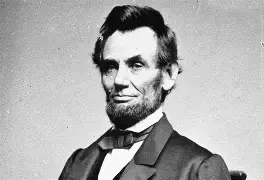
three part look at Jonathan Earle’s new book He Has the People, each piece offering a different angle on Abraham Lincoln’s rise in 1860. The articles explore how chance and human decision shaped the election, how the political turmoil of that era speaks to our own moment, and how Lincoln surprised party leaders by winning the nomination inside a convention hall filled with noise and excitement. Together they give readers a clear sense of why the 1860 election still matters and why Lincoln’s story continues to resonate.
The Page 99 Test Article


In this Article shows how Jonathan Earle uses this moment to highlight the book’s larger themes of contingency, human agency, and the surprising path that carried Lincoln from a modest political résumé to the nomination. It gives readers a clear sense of how the book brings the drama of the election to life and why Lincoln’s rise was anything but guaranteed.